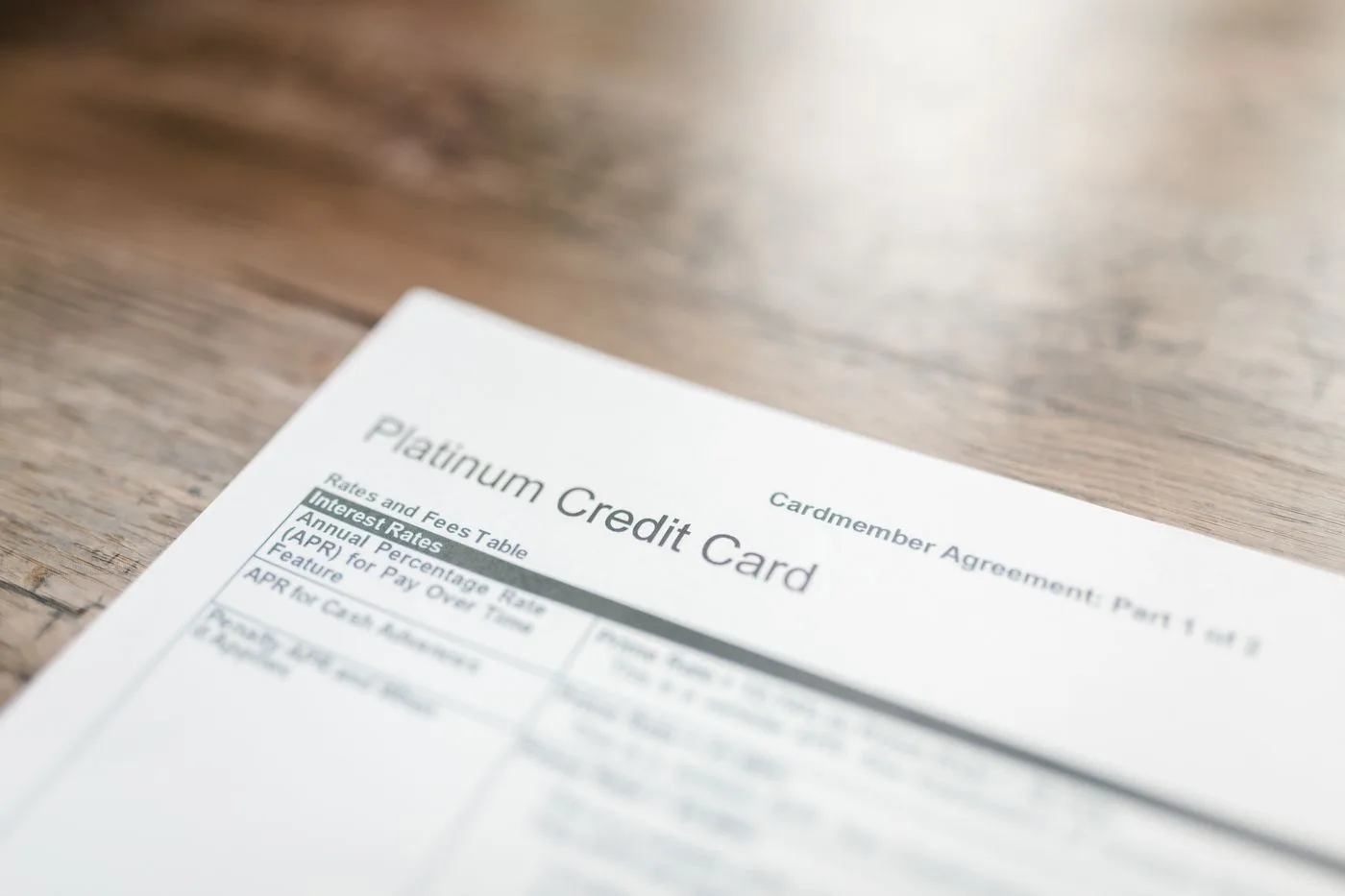
An introductory rate tells you the price during an opening period. It does not necessarily describe the cost for the rest of the agreement. A useful review puts the temporary rate and what follows it on one timeline.
Locate the boundary
Write down the start date, end date and transactions that qualify. A promotion may apply only to a transferred balance or certain purchases, rather than every use of the account. Check whether a fee is charged at the beginning.
Find out whether the later rate is fixed or variable. For a variable product, read the index, margin and any applicable limits. The CFPB's credit-card resources explain rate features for cards; installment-loan offers require their own contract review.
Calculate what remains when the offer ends
Suppose a hypothetical $1,800 balance carries no interest for 12 months and has no fee. Paying $100 monthly would leave $600 after those 12 payments. Paying $150 monthly would repay the original amount over that interval, assuming no additional purchases or charges.
The minimum required payment may be lower than the amount needed to finish within the promotion. Work backward from the end date, allow for processing time, and use the actual number of payment opportunities available.
Check the meaning of promotional language
A genuine 0% period and a deferred-interest offer are different structures. Deferred-interest terms may impose accrued interest from an earlier date if the stated conditions are not met. Ask for a clear written explanation of what happens to an unpaid balance at expiration.
Also check conditions involving late payments, account status or qualifying transactions. Do not rely on a large headline while leaving the consequence paragraph unread.
If the balance will remain, calculate the later payment and total cost using the terms that will actually apply. Keep new spending outside the plan unless you have explicitly included it. A promotion is easiest to evaluate when you can identify the starting balance, every payment and the expected ending balance without guessing.
Plan the last payment before the last day
Ask how payments are allocated when the account contains multiple balances. A payment intended for the promotional purchase may not be applied exactly as you assume. Review the statement after the payment and contact the issuer about available instructions within its rules.
Aim to confirm the promotional balance is cleared before the deadline, allowing time to resolve a transfer problem. The amount shown in an online balance summary may combine promotional purchases, ordinary purchases, interest and fees. Locate the specific balance and expiration date rather than paying an estimate.
Save the original offer and the final statement confirming the relevant balance is zero. If a charge appears afterward, those records help identify whether the issue is payment timing, allocation or a condition of the promotion. Do not assume an ordinary monthly autopay amount is designed to complete the promotion for you.