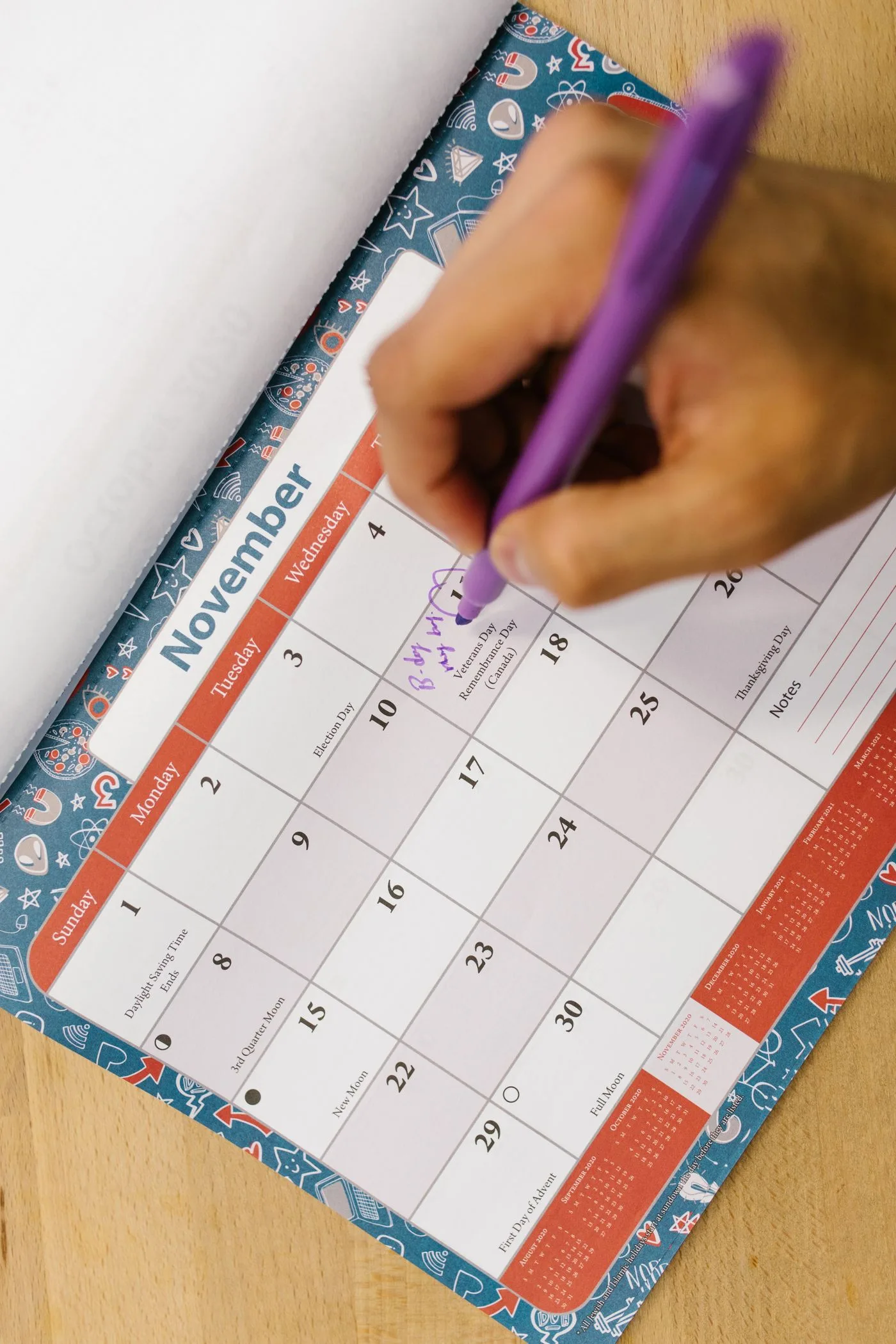
A small installment can look manageable in isolation. Several plans, each on a different schedule, can produce a much larger payment week. Before accepting another buy-now-pay-later arrangement, place every installment on one calendar with your existing bills and income dates.
Record the complete plan
Write the purchase price, amount paid now, remaining installments, exact dates, fees and payment method. Some plans are short and interest-free; others are longer loans with interest. Read the actual offer rather than assuming all products with the same checkout label work alike.
The CFPB discusses missed BNPL payments, including possible late fees and other consequences. Terms and reporting practices vary, so check the provider's agreement.
Keep the order number separate from the financing reference. A merchant and a financing company may maintain different records for the same purchase.
Add overlapping plans before deciding
Consider a hypothetical $240 purchase split into four $60 installments, with the first paid now and the others every two weeks. A second $160 purchase split into four $40 installments creates another schedule. If their dates align, the combined debit can be $100, not the $40 emphasized on the second checkout screen.
Add rent, groceries, utilities and other debt payments to those dates. If payroll arrives after a debit, a monthly income total does not solve the timing gap. Use available funds on the actual date rather than income expected later.
Include the initial payment too. It may leave less money for the next week's obligations even when later installments appear affordable.
Treat future installments as committed spending
Once accepted, the remaining payments are already part of the budget. Do not count the same future paycheck as available for another purchase simply because the current account balance still looks healthy.
A running total of unpaid installments helps. Review it before shopping, then update it when a payment posts. This is especially useful if several apps display only their own plans and none shows the household total.
If you need a new plan to afford an old plan's payment, pause and review the underlying shortfall. Spreading another purchase does not create additional income.
Follow returns through both systems
Returning goods to a merchant may not immediately adjust the financing schedule. Keep the return receipt, track the refund and contact the provider through its established process if the plan does not update.
Do not stop payments solely because a return is pending unless the provider confirms the applicable arrangement. Ask how a partial refund is allocated and whether a scheduled debit still occurs. A $50 refund could affect the final balance without canceling tomorrow's installment.
Monitor automatic payments
Check the linked account or card, the debit dates and the available balance. An expired card or closed bank account can interrupt payment. A successful enrollment message does not prove every later debit will succeed.
If payment becomes difficult, contact the provider before the due date and ask about available options, fees and reporting. Save any arrangement in writing. Do not assume that a short plan has no consequences because it was offered at a shopping checkout.
At the end, verify the balance is zero and any expected refund has posted. A calendar turns a collection of small promises into one visible household commitment, which is the figure that matters for the next purchase decision.