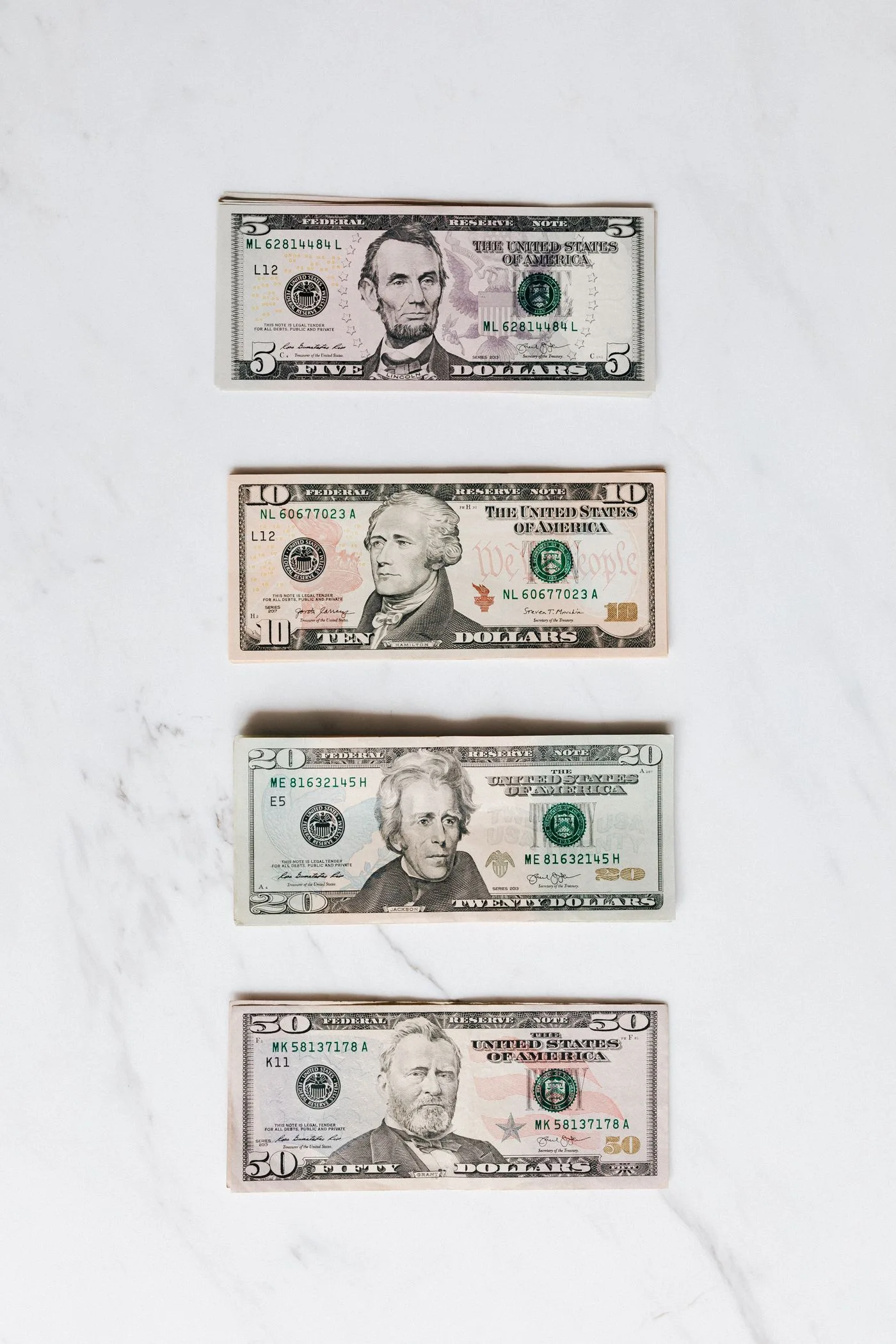
When a purchase can wait, a payment rehearsal tests whether an installment fits ordinary life. Set aside the proposed amount on the expected due date without taking the loan yet. The resulting cash becomes savings, while the experience reveals weak assumptions in the budget.
Choose a realistic test amount
Use an actual indicative payment or a calculation based on clearly stated assumptions. Add operating costs caused by the purchase, such as insurance on a vehicle, when those costs do not already exist. Keep the loan installment and those other costs separately labeled.
A rehearsal of $200 is not evidence that a later $275 offer will fit. If the rate, principal or term changes, update the test. The CFPB's budgeting toolkit includes spending and bill tools that can support the recordkeeping.
Make the transfer on the difficult date
Move the money when the lender would require it, allowing for actual income timing. A transfer after the month's last paycheck may be easier than a loan due before it. Testing the convenient date misses that problem.
Use money you would otherwise have available, and avoid borrowing from a card to make the rehearsal transfer. That would create the appearance of affordability while moving the shortfall to another account.
Keep a brief exception log
For each month, record whether the money stayed set aside, whether any essential bill was delayed, and whether normal reserve contributions continued. Note unusual events, but do not dismiss every irregular expense as something that will never recur.
In a hypothetical trial, month one succeeds, month two requires taking back $80 for car registration, and month three succeeds only because of a one-time gift. The result does not support a simple “three payments made” conclusion. It points to an omitted annual bill and dependence on extra income.
Use the result to change the decision
If timing caused the problem, investigate available due dates before signing. If the amount caused it, consider reducing the purchase or saving longer. If an annual bill was missing, add its reserve and repeat the relevant calculation.
Three months cannot reveal every seasonal cost or income disruption. Compare the trial with a full-year review and a lower-income scenario. A smooth quarter is useful evidence, not a guarantee.
At the end, decide how much of the accumulated money belongs to the purchase and how much should remain for upcoming obligations. Applying all of it as a down payment could remove the cushion that made the rehearsal work. The test succeeds when it produces a more realistic decision, even if that decision is to borrow less or wait.