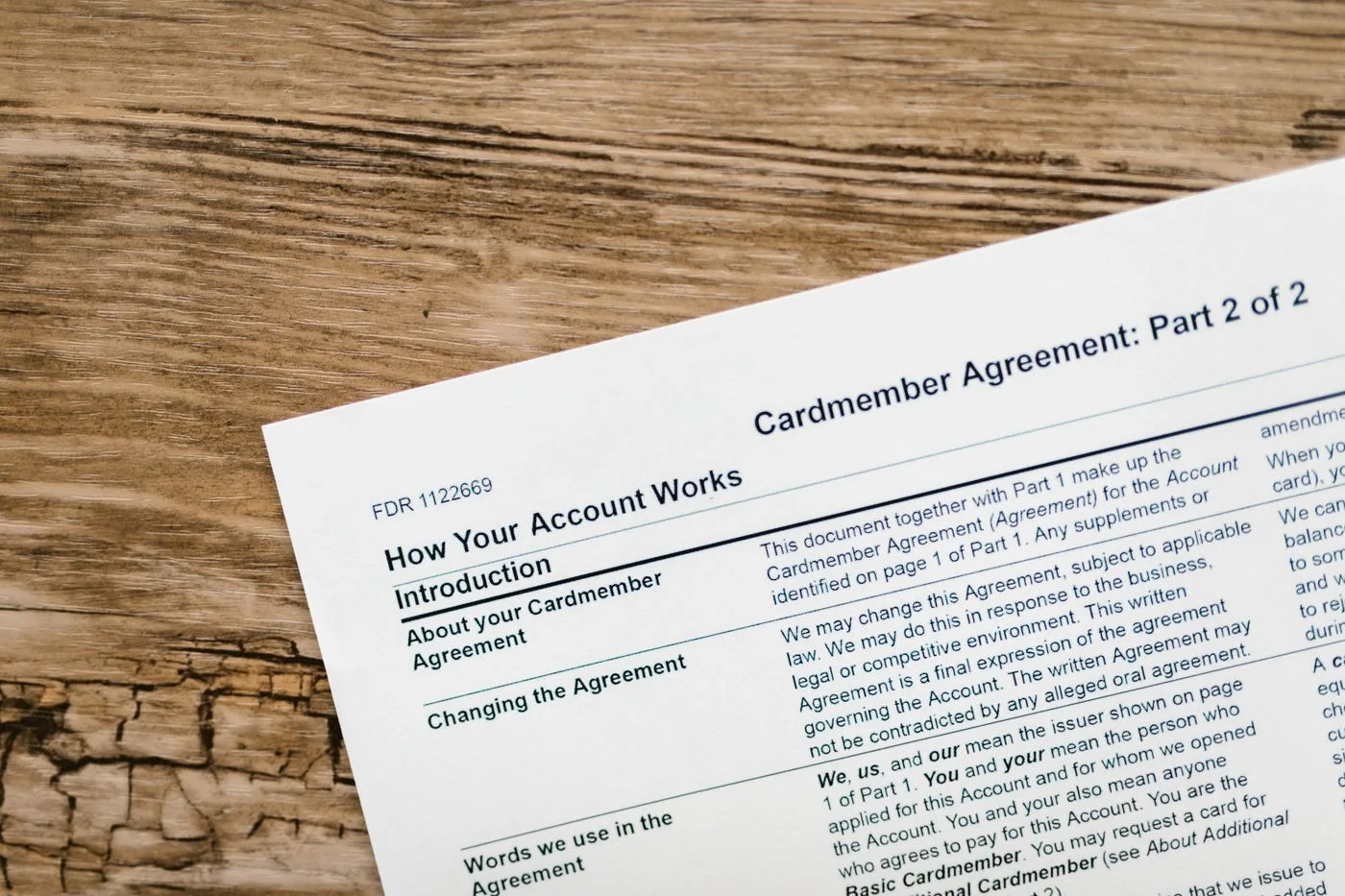
A financing promotion usually describes a limited arrangement. The headline may emphasize a rate or a small payment, while the conditions determine who qualifies, which purchase is eligible and what happens when the promotion ends. Read those conditions before deciding how much to spend.
Identify the promotion's structure
First determine whether the offer is an installment loan, a credit-card promotion or another type of credit. Then distinguish a true temporary 0% rate from deferred interest. A phrase promising no interest only if paid in full can have a very different result from an unconditional zero rate for the promotional period.
The CFPB explains the deferred-interest distinction. Do not infer the structure from a large “0” in the advertisement. Read the full sentence and the agreement.
Match the offer to your actual transaction
Check minimum purchase amounts, eligible products, dates and credit qualifications. A promotional rate may apply to one model, one term or one transaction category. A balance-transfer promotion does not automatically apply to new purchases on the same card.
If buying a vehicle, obtain both the out-the-door price and the financing terms. A discount might be incompatible with a promotional rate. Ask for both complete alternatives so you can compare total outlay rather than combining benefits that cannot be used together.
Put the deadline on a calendar
Find the exact promotional end date and the payment posting requirements. The deadline may not be the same as the regular monthly due date. Allow time for payment processing, and check whether the final month offers fewer days than you assumed.
In a hypothetical interest-free $1,800 purchase to be cleared in nine monthly payments, a $200 monthly target would repay the purchase if there are no fees or other balances and every payment is allocated to it. If the minimum payment is $45, paying only that amount will not achieve the same result.
Treat your target as a budget commitment, not merely an optional extra. If the required target is unaffordable, the promotion does not solve the affordability problem.
Read the post-promotion outcome
Record the regular rate, how it can change and which balance it applies to. For deferred interest, understand the potential accumulated-interest charge if the conditions are not met. For a true 0% offer, determine the rate charged on the remaining balance after expiration.
Ask how late or returned payments affect the promotion, using the actual contract rather than assuming all offers have identical rules. Include annual, transfer or other fees in your comparison where applicable.
Keep other transactions from clouding the plan
Additional purchases can create balances with different rates and payment-allocation rules. If the purpose is to repay one promotional purchase, adding new spending makes the target harder to track. Ask how payments are allocated if multiple balances already exist.
Monitor refunds too. Returning an item does not necessarily create an immediate credit before the next due date. Continue following payment obligations while the return is processed, and verify the posted adjustment.
Before accepting, write three facts in plain language: the total cost if the plan succeeds, the amount you must pay on each date and the cost if the deadline is missed. If you cannot determine those from the documents, obtain clarification before relying on the promotion.